

Symptoms of a Cracked Tooth

Symptoms of a Cracked Tooth
A cracked tooth can cause symptoms that are easy to overlook or difficult to explain. You may notice sharp pain when biting down, sensitivity to hot or cold, or discomfort that seems to come and go. In some cases, a cracked tooth may cause little to no pain at all. Because cracks can worsen over time, recognizing the symptoms of a cracked tooth early and having the tooth evaluated can help protect your natural tooth and prevent further damage.
Cracks can develop for several reasons, including biting down on hard foods, teeth grinding, dental trauma, large fillings, or normal wear over time. Some cracks affect only the outer portion of the tooth, while others extend deeper toward the dental pulp or root. At District Endodontics, we provide specialized care for patients in Washington, DC, and Gaithersburg, MD, who are experiencing tooth pain or have been diagnosed with a cracked tooth.
What Are the Symptoms of a Cracked Tooth?
The symptoms of a cracked tooth can vary depending on the location, size, and depth of the crack. Unlike a cavity or a straightforward tooth fracture, a cracked tooth may not cause constant discomfort. Instead, symptoms can appear only during certain activities, such as chewing or drinking something hot or cold.
One of the most common signs is sharp, intermittent pain when biting down or releasing your bite. You may also find it difficult to identify exactly which tooth is causing the problem. The pain may come and go, making it tempting to wait and see if it improves. Unfortunately, a crack does not typically heal on its own, and continued pressure on the tooth can cause the crack to progress.
Other possible symptoms include:
- Sharp pain when chewing or biting
- Pain when releasing your bite
- Sensitivity to hot or cold foods and beverages
- Pain that comes and goes
- Swelling or tenderness around the tooth
- Discomfort that is difficult to pinpoint
- A tooth that feels different when you bite
- Gum inflammation around the affected tooth
Not everyone experiences all of these symptoms. Some cracks may initially cause no noticeable discomfort and may be discovered during a routine dental examination. If you have recurring symptoms that are difficult to explain, an evaluation by an endodontist can help determine whether a crack or another underlying condition is responsible.
What Causes a Tooth to Crack?
Teeth can crack for a variety of reasons. Repeated stress from chewing, temperature changes, dental trauma, and habits such as teeth grinding can put pressure on a tooth over time. Large fillings can also weaken some teeth and make them more susceptible to cracking.
Trauma is another potential cause. A blow to the mouth from a sports injury, accident, or fall can damage a tooth even when there is no obvious fracture visible from the outside. Biting down unexpectedly on something hard can also create a crack.
Factors that may increase the likelihood of a cracked tooth include:
- Biting down on hard foods or objects
- Teeth grinding or clenching
- Previous dental work
- Large fillings
- Dental injuries or trauma
- Normal wear associated with aging
The location of a crack can affect the symptoms and treatment options. A crack may remain within the enamel, extend through the dentin, reach the dental pulp, or continue toward the root. The deeper the crack extends, the more likely it is to affect the tissues inside the tooth.
Can a Cracked Tooth Damage the Nerve?
A crack that extends into the inner portion of the tooth can allow bacteria to reach the dental pulp. The pulp contains nerves and blood vessels, and damage or infection in this area can cause significant pain and inflammation. If the pulp becomes irreversibly inflamed or infected, root canal treatment may be necessary.
This is one reason it is important not to ignore the symptoms of a cracked tooth. Even if your discomfort is manageable, the condition may continue to progress. A crack can allow bacteria to enter the tooth, potentially leading to an infection or abscess.
An endodontist specializes in diagnosing and treating conditions involving the dental pulp and tissues surrounding the roots. If you have persistent sensitivity, pain when chewing, or other unexplained symptoms, an endodontic evaluation can help determine whether the pulp has been affected.
How Is a Cracked Tooth Diagnosed?
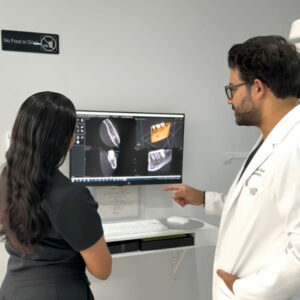
Diagnosing a cracked tooth can sometimes be challenging because cracks are not always visible on standard dental X-rays. Your endodontist will begin by discussing your symptoms and dental history and performing a detailed examination of the affected area.
Depending on the situation, your provider may evaluate your bite, test the tooth’s response to temperature, examine the gums, and use dental imaging to look for signs of damage or infection. Advanced imaging may also be appropriate in certain cases.
The information gathered during the examination helps your endodontist determine the location and extent of the problem. It can also help distinguish a cracked tooth from other conditions that may cause similar symptoms, such as decay, an infection, or problems with a neighboring tooth.
Can a Cracked Tooth Be Saved?
Whether a cracked tooth can be saved depends largely on the location and extent of the crack. Some cracks may be treated with a restorative procedure that protects the remaining tooth structure. If the crack has affected the dental pulp, root canal treatment may be recommended to remove damaged tissue and help preserve the tooth.
In other cases, a crack may extend below the gum line or through the root in a way that makes the tooth difficult or impossible to restore. Your endodontist can evaluate the tooth and explain whether treatment can predictably preserve it.
Treatment may include:
- Restorative treatment to protect the tooth
- Root canal therapy when the pulp is affected
- Endodontic treatment following dental trauma
- Monitoring in selected cases
- Extraction when a tooth cannot be predictably saved
The sooner a cracked tooth is evaluated, the sooner you can understand your options. Avoiding chewing on the affected side and seeking professional care can help reduce additional stress on the tooth while you wait for your appointment.
When Should You See an Endodontist?
You should consider an endodontic evaluation if you have recurring tooth pain, sensitivity, or discomfort when chewing that does not have an obvious explanation. Prompt attention is particularly important if your symptoms developed after an injury or if you notice swelling around the tooth.
At District Endodontics, we provide specialized endodontic care for patients in Washington, DC, and Gaithersburg, MD. Our team evaluates cracked teeth and other conditions that affect the dental pulp and surrounding tissues, focusing on preserving natural teeth whenever possible.
If you are experiencing symptoms of a cracked tooth, don’t ignore them or wait for the pain to become severe. A crack may worsen without treatment, and early evaluation can help determine the best way to protect the tooth. Contact District Endodontics today to schedule an evaluation in Washington, DC, or Gaithersburg, MD, and learn more about your treatment options.