

What Is an Endodontist?

What Is an Endodontist?
An endodontist is a dental specialist who diagnoses and treats problems involving the inside of the tooth, including the dental pulp, root canals, and tissues surrounding the roots. If you are searching for what is an endodontist, you may have been referred to one for a root canal, persistent tooth pain, a tooth infection, or a dental injury. Endodontists receive additional specialized training beyond dental school, making them experts in treating complex conditions that affect the health of your natural teeth.
Unlike a general dentist, an endodontist focuses specifically on the diagnosis and treatment of the tooth’s inner structures. Common reasons to see an endodontist include severe or lingering tooth pain, sensitivity to hot or cold, pain when biting, swelling, cracked teeth, dental trauma, and infections. An endodontist can determine whether the dental pulp is damaged or infected and recommend treatment to relieve discomfort and preserve the natural tooth whenever possible.
At District Endodontics, we provide specialized endodontic care for patients in Washington, DC, and Gaithersburg, MD. Our team treats a wide range of endodontic conditions, from routine and complex root canals to retreatment, traumatic dental injuries, cracked teeth, tooth abscesses, tooth resorption, and other problems affecting the inside of the tooth. If your dentist has referred you to an endodontist or you are experiencing unexplained tooth pain, we can help determine the cause and develop an appropriate treatment plan.
What Does an Endodontist Do?
An endodontist specializes in diagnosing and treating conditions involving the dental pulp and tissues surrounding the roots of teeth. The dental pulp is the soft tissue located inside the center of a tooth. It contains nerves, blood vessels, and connective tissue that help support the development of a tooth. Once a tooth has fully developed, however, it can continue functioning without the pulp.
When the pulp becomes inflamed or infected, it can cause significant discomfort and may eventually lead to an abscess or other complications. Deep tooth decay, cracks, repeated dental procedures, trauma, and other forms of damage can allow bacteria to reach the pulp. An endodontist can determine whether the pulp can recover or whether treatment is necessary to preserve the tooth.
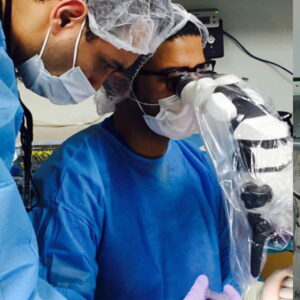
Endodontists receive additional specialized training after dental school to diagnose and treat complex problems involving the inside of the tooth. They regularly perform procedures that general dentists may refer to a specialist, particularly when a case is difficult or requires advanced treatment.
Common treatments performed by an endodontist include:
- Root canal therapy
- Root canal retreatment
- Treatment for cracked teeth
- Treatment for traumatic dental injuries
- Treatment for tooth abscesses
- Apicoectomy and other endodontic surgeries
- Treatment for tooth resorption
- Diagnosis of unexplained or persistent tooth pain
Endodontists also frequently treat dental emergencies. Severe tooth pain, swelling, or a dental injury can require prompt evaluation. An endodontist can identify the source of the problem and determine whether immediate treatment is needed.
When Should You See an Endodontist?
Your general dentist may refer you to an endodontist when they determine that a tooth may require specialized treatment. However, you do not necessarily have to wait for a referral. If you are experiencing persistent or unexplained symptoms, an endodontic evaluation can help determine what is causing your discomfort.
Tooth pain does not always have an obvious source. You may experience pain when chewing, sensitivity to hot or cold, or discomfort that seems to come and go. Sometimes, the source of the pain can be difficult to identify during a routine dental examination. Endodontists have specialized training in diagnosing these types of conditions and determining whether the dental pulp or surrounding tissues are involved.
You may benefit from seeing an endodontist if you experience:
- Severe or persistent tooth pain
- Sensitivity to hot or cold that lingers
- Pain when biting or chewing
- Swelling or tenderness around a tooth
- A recurring dental infection
- A cracked or fractured tooth
- A tooth that has been injured
- Tooth discoloration without an obvious cause
- A tooth that remains painful after previous treatment
A dental injury is another common reason to seek endodontic care. A tooth can sustain damage to its internal tissues after being hit, cracked, or otherwise injured. Even if there is little or no immediate pain following an injury, the pulp can become damaged over time. An endodontist can evaluate the tooth and surrounding tissues to determine whether treatment or monitoring is appropriate.
What Is the Difference Between a Dentist and an Endodontist?
Both general dentists and endodontists are trained dentists, but their areas of focus are different. A general dentist provides broad oral health services, including preventive care, dental cleanings, fillings, crowns, and other restorative treatments. They also evaluate tooth pain and can perform many root canals.
An endodontist is a specialist who focuses specifically on diagnosing and treating conditions affecting the inside of the tooth and tissues surrounding its roots. After completing dental school, endodontists undergo additional specialized education and clinical training in endodontics. This focused experience allows them to treat complicated cases involving the dental pulp, root canals, and surrounding structures.
Your general dentist may recommend an endodontist when a case is particularly complex, when a previous root canal has not healed as expected, or when the source of your tooth pain is difficult to determine. Seeing a specialist can provide access to specialized techniques and equipment designed specifically for endodontic diagnosis and treatment.
How Can an Endodontist Help Save Your Tooth?
One of the primary goals of endodontic treatment is preserving natural teeth whenever possible. When the pulp becomes infected or irreversibly inflamed, root canal therapy can remove the affected tissue while allowing the remaining tooth structure to stay in place.
During a root canal, the endodontist creates an opening in the tooth and carefully removes the inflamed or infected pulp. The root canals are then cleaned, shaped, and disinfected before being filled and sealed. Once the procedure is complete, your dentist may recommend a crown or another restoration to protect the tooth and restore its function.
Saving the natural tooth can help maintain normal biting and chewing and preserve the surrounding bone and teeth. While extraction may sometimes be necessary when a tooth is severely damaged, an endodontic evaluation can help determine whether preserving the tooth is possible.
Endodontists can also treat teeth that have previously undergone root canal therapy but continue to cause problems. Root canal retreatment may be appropriate when an infection persists or develops again. In certain cases, endodontic surgery, such as an apicoectomy, may provide another option for addressing infection around the root.
What Can You Expect During an Endodontic Visit?
Your first visit typically begins with a discussion about your symptoms and dental history. Your endodontist will examine the affected tooth and may use dental X-rays or advanced imaging to evaluate the roots, surrounding bone, and internal structures of the tooth.
Once the source of the problem has been identified, your endodontist will explain the diagnosis and discuss your treatment options. The recommended treatment depends on the condition of your tooth, the extent of any infection or damage, and whether the natural tooth can be predictably preserved.
Modern endodontic treatment is designed to make patients as comfortable as possible. Local anesthesia is commonly used during procedures to numb the treatment area. Your endodontic team can also answer questions about the procedure, recovery, and what to expect after treatment.
Specialized Endodontic Care in Washington, DC and Gaithersburg, MD
Understanding what an endodontist is can help you recognize when specialized dental care may be appropriate. Endodontists focus on diagnosing and treating problems inside the tooth, from persistent tooth pain and infections to traumatic injuries and complex root canal cases.
At District Endodontics, we provide specialized endodontic care for patients in Washington, DC, and Gaithersburg, MD. Our goal is to accurately diagnose the source of your symptoms, relieve discomfort, and preserve your natural teeth whenever possible.
If you have been referred to an endodontist, are experiencing persistent tooth pain, or have suffered a dental injury, timely evaluation can help you understand your options. Contact District Endodontics today to schedule an appointment in Washington, DC, or Gaithersburg, MD, and take the next step toward a healthier, more comfortable smile.